Buying Used Fitness Equipment: How to Test and Save
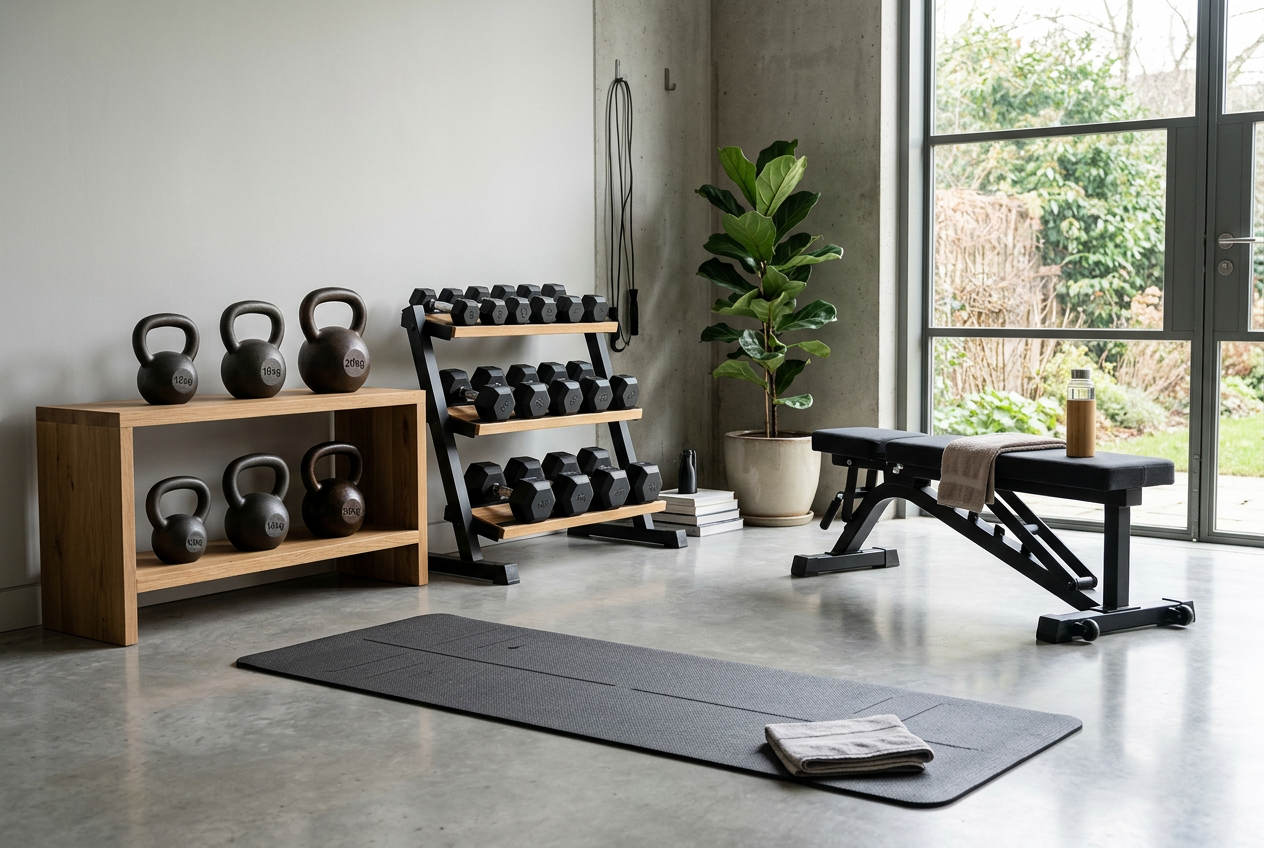
Setting up a personal workout space at home does not require spending thousands on showroom models. By buying used fitness equipment, you can acquire sturdy commercial-grade benches, cast iron plates, and cardio machines for a small fraction of their original retail price. However, shopping the pre-owned market requires a discerning eye to ensure every item is mechanically sound, safe, and built to last.
Whether you want a simple dumbbell setup or a dedicated rack, knowing how to evaluate used items ensures you get dependable gear without unexpected repair bills. You can easily browse available listings across local marketplaces to discover quality items sellers are clearing out.
Smart Checklist for Buying Used Fitness Equipment
Before agreeing to buy any secondhand machine or heavy weight set, you should inspect structural joints, moving parts, and surface wear. Taking time to test items in person helps prevent common pitfalls associated with neglected gear.
1. Inspecting Structural Welds and Steel Frames
When evaluating squat stands, power racks, or weight benches, frame integrity is your top priority. Check all welded joints for hairline cracks, flaking paint, or signs of rust. Welds should be uniform and smooth. If a bench wobbles on a flat surface, check if the frame is bent or if it simply requires tightening bolts. Pass on equipment with warped steel or severe rust that compromises load capacity.
2. Testing Mechanical and Moving Components
Cardio machines and cable towers feature components that experience constant friction. When inspecting treadmills, exercise bikes, or rowers, test them under load:
- Treadmills: Listen for motor humming or squealing, check that the walking deck is smooth, and verify that the belt does not slip when you step firmly on it.
- Stationary Bikes: Ensure flywheel resistance transitions smoothly from light to heavy without grinding noises.
- Cable Machines: Check pulleys for alignment, test selector pins, and check cables for fraying, stripped vinyl coating, or kinks.
- Free Weights: Check that Olympic barbell sleeves spin freely on their bushings and that cast iron plates have no deep fractures.
3. Floor Protection and Personal Comfort
Protecting your joints and floor is just as critical as the weights you select. When setting up exercises like lunges, core circuits, or deadlifts on hard surfaces, cushioning matters. A protective accessory such as the Solid Multi Purpose Gel Knee Pad offers immediate comfort during bodyweight floor routines and mobility drills.
Appropriate workout clothing also keeps home sessions comfortable. Breathable layers like the Women's Printed Long-Sleeve T-Shirt are practical for warming up in cooler garage gyms or during light stretching sessions. For families planning broader outdoor activity, browsing recreation gear like the Mini Two-wheeled Foldable Small Electric Scooter For Children is another practical way to keep everyone active outdoors.
How to Test Equipment Before Finalising the Deal
Always request a hands-on trial before handing over payment. For electronic machines, ask the seller to plug the device into power so you can test all console buttons, resistance levels, heart-rate sensors, and safety keys. If a seller is unwilling to let you test the machine under normal operating conditions, treat that as a warning sign.
For heavy weight collections, verify the diameter of the barbell sleeves and weight plate centres. Standard home plates typically have a 1-inch centre hole, while Olympic bars require plates with a 2-inch opening. Mixing these standards creates unnecessary hassle later on.
Transport and Setup Considerations
Weight plates, cast iron kettlebells, and heavy steel frames are cumbersome to move. Measure your vehicle boot space and door clearances in advance. Bring basic hand tools, such as an adjustable spanner and hex keys, in case you need to disassemble a bench or rack for transport. Securing the load with ratchet straps prevents dangerous shifting while driving.
If you find that an older machine or bench no longer matches your training routine, you can quickly clear space and sell pre-owned gear to recoup your initial spend and fund future additions.
Summary and Key Takeaways
Equipping a home gym through the pre-owned market is a proven strategy for saving money without sacrificing performance. Always inspect welds, listen to moving parts, test resistance systems under real use, and verify dimensions before transport. With methodical checks, secondhand fitness gear will deliver years of dependable training at a fraction of showroom prices.
Frequently asked
- What should I look for when inspecting a used treadmill?
- Check that the motor runs quietly without straining, test all speed and incline settings, and inspect the walking belt for fraying or slipping under your footstep.
- Is rust on used cast iron weight plates a serious problem?
- Light surface rust on solid iron plates is cosmetic and can be removed with a wire brush and protective oil. However, structural cracks or deep pitting that weakens the iron mean the plate should be avoided.
- How can I tell if a used barbell is still straight?
- Place the barbell on a flat floor or rack and roll it slowly. If the bar wobbles or lifts unevenly as it turns, the shaft is bent and should not be used for heavy lifting.
Selling something similar?
Listing on BNS is free. Add photos, set your price and reach buyers looking for exactly this.