Guide to Collecting Dinosaur Fossils: Buyer Safety Tips
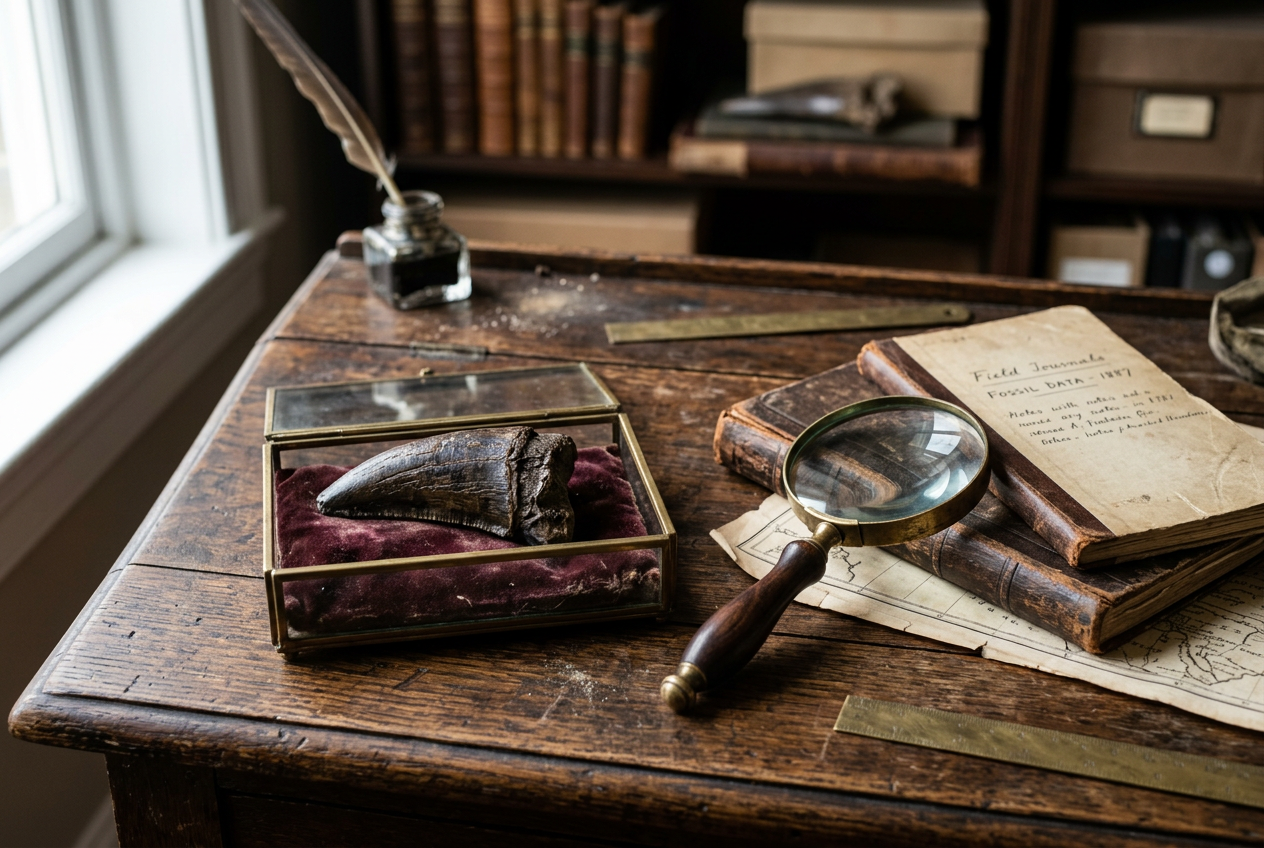
Few pursuits capture human imagination quite like paleontological history. For many enthusiasts, collecting dinosaur fossils transforms an appreciation of natural history into a tangible personal collection. From shed Spinosaurus teeth found in North African sedimentary basins to fragmented dromaeosaurid claws and sauropod bone segments, authentic prehistoric material is widely circulated on secondary markets and specialist platforms.
However, the global market for ancient specimens carries unique challenges. Novice collectors and experienced buyers alike must navigate replica materials, artificial restorations, and complex legal frameworks governing prehistoric exports. Knowing how to assess a piece before committing funds ensures that your collection remains legitimate, valuable, and ethically sourced.
Understanding Fossil Authenticity and Common Alterations
Genuine dinosaur specimens are finite, which naturally creates economic incentives for artificial enhancement. When shopping online, distinguishing between untouched fossils, professionally stabilised material, and outright fabrications is the most critical skill you can develop.
1. Composite Specimens
A composite fossil combines pieces from multiple individual animals—or even entirely different species—joined together using matrix paste, glue, or plaster to create an apparently complete item. For example, fragmented theropod teeth are sometimes fitted into fabricated root structures or matrix slabs. Always request clear, close-up photographs under direct natural light to check for mismatched textures or suspicious seams.
2. Fillers and Over-Restoration
Fossils rarely emerge from the ground intact. Professional preparators frequently use consolidants and small amounts of structural fill to stabilise fragile bone. Ethical sellers openly declare restoration percentages (such as '10% restored tip' on a tooth). If a piece appears flawless at a bargain price, it often indicates painted resin or extensive plaster patching.
3. Casts Sold as Originals
High-quality resin casts serve educational purposes in museums, but disreputable listings may mislabel them as authentic bones. Real fossilised bone typically exhibits microscopic porous structures known as trabecular or osteon patterns. Synthetic casts lack these fine vascular details and often show tiny air bubbles or seam lines along the edges.
Key Legal Considerations When Collecting Dinosaur Fossils
The legal landscape surrounding fossil ownership varies dramatically by country of origin. A specimen cannot be considered authentic and safe for purchase without clear documentation of its origin and legal collection status.
Many nations enforce strict protection over their paleontological heritage. For instance, vertebrate fossils from countries such as China, Mongolia, and Brazil cannot be legally exported for private commercial sale. If you encounter complete fossil skeletons or articulated raptor claws allegedly originating from these regions, they are almost certainly casts, modern reproductions, or illegally trafficked goods.
Conversely, vertebrate fossils found on private land within the United States (such as Hell Creek or Lance Formation material) can be legally collected and sold with the landowner's explicit permission. Similarly, marine fossils and certain isolated fragments found along specific public coastlines in the United Kingdom can be legally collected under local stewardship codes. Always ask sellers for provenance documentation showing where the item was originally recovered.
Practical Steps for Safe Buying Online
Acquiring specimens safely requires systematic vetting before placing bids or completing transactions on secondary marketplaces.
- Examine the Seller's Track Record: Look for established purveyors who specialise in natural history or verified secondary sellers with consistent, transparent descriptions.
- Demand Ultraviolet and High-Resolution Photos: Viewing a fossil under UV light reveals modern resins, glues, and fills, which glow distinctly compared to petrified rock.
- Verify Geological Formations: Reputable sellers will always provide the exact geological layer (such as the Kem Kem Group or Morrison Formation) and the country of origin.
- Avoid Vague Authenticity Certificates: Generic 'Certificates of Authenticity' printed on domestic paper offer little legal protection. Authentic provenance relies on verifiable geological data and high-resolution documentation of the piece's preparation history.
Field Preparation and Practical Organisation
While many collectors acquire pieces via digital marketplaces, others combine their hobby with field excursions along designated coastal paths. When conducting outdoor fossil walks or sorting raw field finds, comfort and practical preparation make a notable difference. Working for hours on rocky shingle requires protective gear like a Solid Multi Purpose Gel Knee Pad to prevent strain during long searches.
Similarly, outdoor field conditions demand versatile protection against the elements. Bringing along an essential layer like a Women's Printed Long-Sleeve T-Shirt helps regulate temperature across changing coastal weather, while packing a Compact And Portable Folding Sun Umbrella For Women offers dependable shelter from midday sun when cataloguing specimens at a base camp.
Caring for Your Fossil Collection
Once you acquire genuine specimens, long-term preservation becomes the primary focus. Petrified bone and ancient enamel react to rapid fluctuations in humidity and temperature. Pyrite decay (also called pyrite disease) can damage specimens recovered from marine shale if they are exposed to moisture.
Store fragile items in dedicated archival display boxes lined with acid-free foam. Avoid displaying delicate teeth or fragile matrix plates in direct sunlight, which can weaken bonding adhesives used during legitimate preparation. With thoughtful acquisition habits and proper preservation, genuine prehistoric specimens can be enjoyed securely for generations.
Frequently asked
- Is it legal to buy and own dinosaur fossils?
- Yes, private fossil ownership is legal in many jurisdictions provided the specimen was lawfully excavated on private land with permission or exported in compliance with the originating country's cultural heritage laws.
- How can I tell if a dinosaur tooth is genuine?
- Genuine dinosaur teeth typically display clear serrations, authentic enamel wear, natural nutrient grooves, and visible growth lines under magnification, without the uniform air bubbles or mold seams found in resin replicas.
- Does fossil restoration lower the value of a specimen?
- Minor structural stabilisation is standard practice in paleontology and generally accepted. However, excessive reconstruction or undisclosed composite parts will significantly decrease a specimen's market and historical value.
Selling something similar?
Listing on BNS is free. Add photos, set your price and reach buyers looking for exactly this.