Derek Jeter Card Value and Resale Guide for Sellers
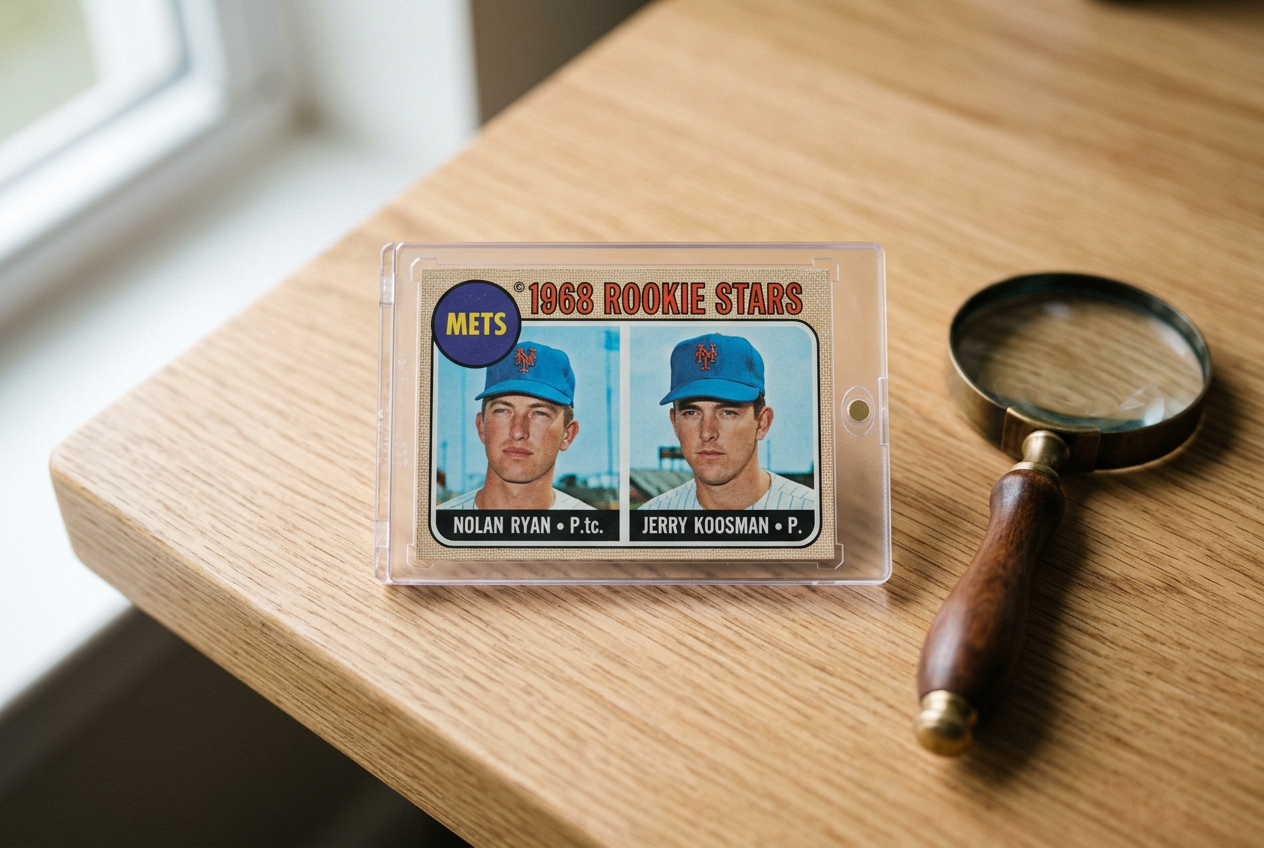
Derek Jeter remains one of the most celebrated figures in modern baseball history. Whether you recently uncovered a binder of 1990s trading cards in the attic or you are curating an established sports collection, understanding market dynamics is essential. This comprehensive derek jeter card value and resale guide walks you through identifying prime issues, evaluating card condition, and executing profitable resale transactions.
Understanding Derek Jeter Card Value and Resale Factors
The secondary market for baseball cards relies heavily on supply, demand, authenticity, and visual condition. For Derek Jeter memorabilia, certain releases command substantial interest among both vintage enthusiasts and modern collectors. Assessing the genuine value of a card before listing it online protects your margin and builds trust with potential buyers.
Key Rookie Cards and Release Years
Jeter entered professional baseball in 1992 after being drafted by the New York Yankees, with his primary rookie cards appearing across various licensed sets in 1993. The most recognized rookie cards include the 1993 SP Foil, 1993 Topps, 1993 Upper Deck, 1993 Pinnacle, 1993 Score, and 1993 Bowman. Among these, premium foil issues are notoriously difficult to find in pristine condition due to surface chipping along the dark borders.
The Role of Professional Grading
Unopened packs and raw cards carry inherent risks for buyers. Having high-potential cards graded by reputable third-party authentication services provides third-party verification of condition and authenticity. Grading evaluates four core criteria:
- Centring: The alignment of the image relative to the borders on both the front and reverse sides.
- Corners: Sharpness and absence of fraying or whitening.
- Edges: Clean cuts without chipping, dents, or rough factory foil tearing.
- Surface: Freedom from print lines, scratches, indentations, or fading.
How to Prepare Your Cards for the Marketplace
Before creating a listing, proper handling and presentation will significantly impact your final sale price. Always handle raw cards by their edges with clean, dry hands. Place cards immediately into acid-free penny sleeves, followed by rigid top-loaders or semi-rigid holders to prevent creasing or corner blunting during storage and shipping.
High-resolution photography is paramount. Take well-lit photos on a neutral, non-distracting background. If you are organising your dedicated workspace or workspace lighting, simple additions like a Household Stylish Christmas Magic Wall Light or an ambient light fixture can help create a clean, professional environment for cataloguing and sorting inventory.
Pricing and Listing Strategy for Maximum Return
Accurate pricing requires researching completed sales rather than current asking prices. Enthusiasts looking to buy sports memorabilia search specifically for accurate descriptions, clear scans of corners, and honest notes on any existing defects.
When crafting your listing title and body, include the card year, manufacturer, set name, card number, and whether it is a base card, parallel, or insert. If the card is graded, clearly state the grading company and the numeric grade assigned. If it is raw, avoid subjective claims like mint unless you provide detailed macro photography proving its condition.
Diversifying Your Marketplace Inventory
Many successful online sellers build resilient resale businesses by pairing niche collectables with broader lifestyle goods. While maintaining an inventory of baseball memorabilia, you can expand your store footprint by listing seasonal apparel such as a Women V Neck Knit Sweatshirt Christmas Gnome Print Long Sleeve Casual Top or outdoor decor items like the Moon Light Outdoor Waterproof Courtyard. Broadening your product range attracts diverse buyers and keeps store activity consistent year-round.
Safe Packaging and Reliable Shipping
Protecting the card during transit is vital to avoid disputes and returns. Sandwich the top-loader between two rigid pieces of cardboard secured with painter tape to prevent the card from slipping out. Place the assembly inside a water-resistant bubble mailer. For higher-value cards, choose tracked shipping methods that require a signature upon delivery.
Key Takeaways for Selling Derek Jeter Collectables
Achieving strong resale prices for Derek Jeter cards comes down to accurate identification, realistic condition grading, and transparent presentation. Protect your raw cards early, research verified market sales, and list your items with clear photography to attract discerning sports card collectors.
Frequently asked
- What year are Derek Jeter rookie cards from?
- Derek Jeter's primary rookie cards were issued in 1993 across licensed sets including Topps, Upper Deck, SP, Pinnacle, Score, and Bowman.
- Does getting a Derek Jeter card graded increase its value?
- Professional grading can significantly increase value if the card receives a high grade, as it authenticates the card and verifies its physical condition for buyers.
- How should I package a baseball card for shipping?
- Place the card into a penny sleeve and a rigid top-loader, sandwich it securely between two pieces of cardboard, and ship inside a padded bubble mailer with tracking.
Selling something similar?
Listing on BNS is free. Add photos, set your price and reach buyers looking for exactly this.