How to Track Heating Oil Prices and Time Refills
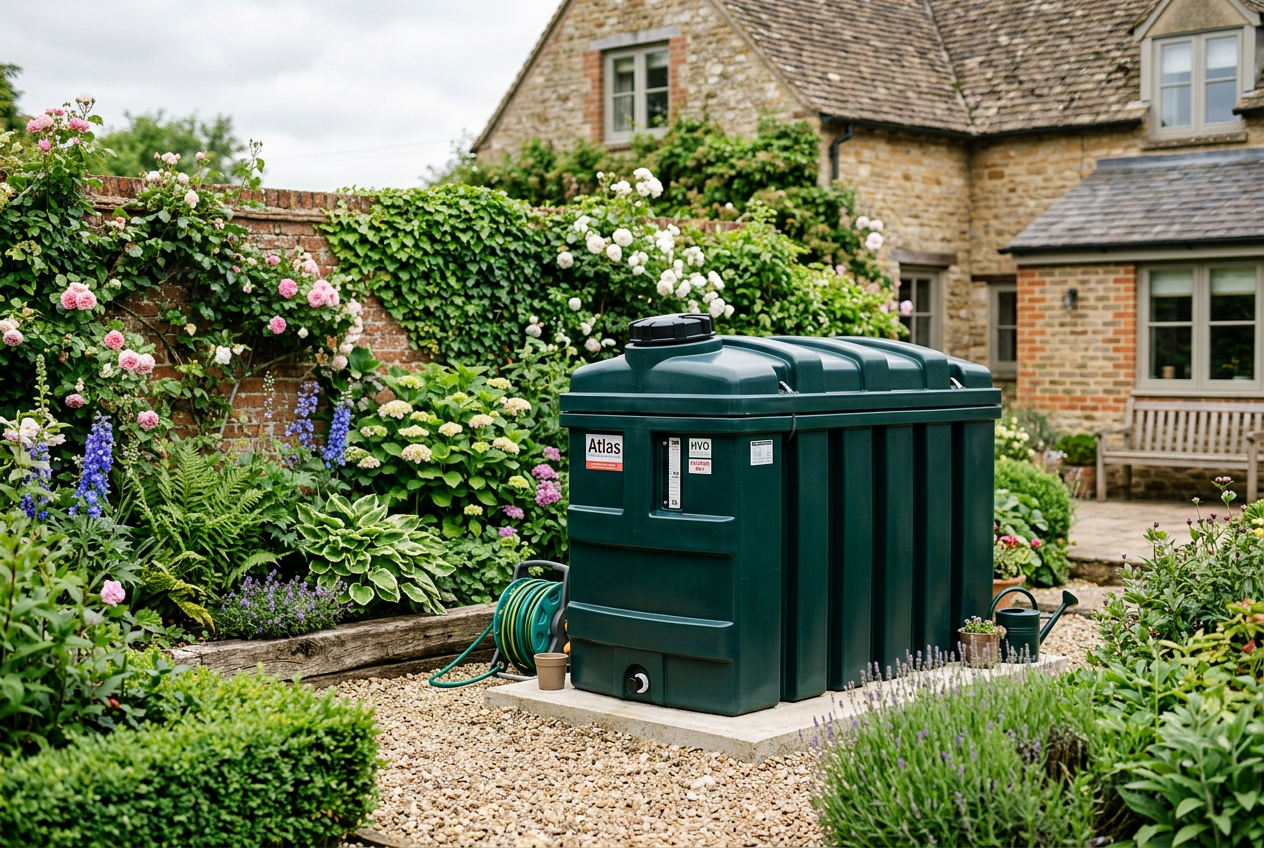
Managing off-grid home heating requires a proactive approach, especially when budgeting for seasonal fuel deliveries. Because domestic fuel operates on an unregulated open market, heating oil prices can fluctuate significantly throughout the year based on global crude markets, refinery capacity, transport logistics, and local weather patterns. Knowing when and how to top up your domestic oil tank can help keep energy costs predictable.
By understanding seasonal market rhythms and adopting regular monitoring habits, households can avoid the premium rates that often accompany sudden cold snaps and emergency delivery requests.
Understanding Domestic Heating Oil Prices and Market Trends
Domestic kerosene (often standard 28-second heating oil) follows broader wholesale oil commodities, but regional factors also play a substantial part in consumer pricing. During peak winter months, heightened demand coincides with adverse weather conditions, which can delay road deliveries and drive up distributor quotes.
Conversely, late spring and mid-summer usually see diminished domestic demand. While global crude prices still establish the baseline, regional delivery companies often have greater scheduling flexibility and lower baseline margins during these warmer periods. Tracking these shifts allows you to plan bulk orders ahead of the heating season.
Best Practices for Timing Your Tank Refill
Relying on last-minute orders during freezing weather often results in paying premium emergency delivery fees. Implementing structured ordering habits helps maintain control over your fuel spend.
- Order during off-peak periods: Topping up between May and August typically avoids the rush and winter supply backlogs.
- Monitor tank levels consistently: Do not wait until the tank drops below a quarter full; sludge at the base can damage your boiler system.
- Join local buying syndicates: Group orders with neighbours allow local distributors to fill multiple tanks in one run, often securing lower rates per litre.
- Order larger volumes: Suppliers usually offer lower per-litre costs for orders of 1,000 litres or more compared to minimum deliveries of 500 litres.
Maintaining Your Heating System and Property
Lowering annual heating expenditure involves more than just purchasing fuel at the right moment; system efficiency and general home maintenance are equally critical. An annual boiler service ensures that kerosene burns efficiently, preventing unnecessary fuel wastage through dirty burner nozzles or suboptimal air mixtures.
When inspecting your outdoor tank or doing seasonal ground maintenance around your supply pipework, personal comfort and safety matter. Using practical equipment such as a Solid Multi Purpose Gel Knee Pad can make inspecting low-level tank gauges, filters, and valves much easier during routine home checks.
Similarly, keeping your property well-managed across the seasons supports overall household efficiency. When working outdoors in variable weather, staying protected with a Compact And Portable Folding Sun Umbrella For Women during sudden summer showers or layering comfortably with a Women's Printed Long-Sleeve T-Shirt during autumn tasks helps you stay on top of regular property upkeep.
Household Budgeting and Energy Management
Incorporating heating fuel into your wider annual budget allows you to distribute expenses evenly rather than absorbing heavy single-month outlays during winter. Many households find that balancing leisure spending—such as planning outdoor family purchases like a Mini Two-wheeled Foldable Small Electric Scooter For Children during the spring—alongside regular utility monitoring creates a more predictable overall financial routine.
You can also use digital oil gauges that connect to home smart monitors or mobile apps, giving you accurate data on daily fuel burn rates and ensuring you never get caught out by an empty tank.
Summary Takeaway
To get the best outcome for your household heating oil supply, monitor local price trends, order early during warmer off-peak months, keep your tank above 20 percent capacity, and maintain your boiler annually to ensure maximum burning efficiency.
Frequently asked
- When is the cheapest time of year to buy heating oil?
- Historically, domestic heating oil prices tend to be lower during late spring and summer due to reduced consumer demand and easier delivery conditions.
- What is the minimum amount of heating oil I can order?
- In the UK, the standard minimum delivery volume for domestic heating oil is usually 500 litres to cover distributor transport costs.
- Why should I avoid letting my heating oil tank run empty?
- Letting a tank run dry pulls settled sediment and sludge into your fuel lines and burner filter, which can cause boiler lockouts and require costly maintenance.
Selling something similar?
Listing on BNS is free. Add photos, set your price and reach buyers looking for exactly this.