Vintage Arsenal Shirts: Collector Guide and Valuation
Few garments in sport combine aesthetic appeal, sporting heritage, and subcultural style quite like classic football kits. Among the most coveted items in the football memorabilia market, vintage arsenal shirts stand out for their iconic designs, distinctive sponsors, and memorable eras on the pitch. Whether you are searching for an original nineties bruised banana away top or an early-two-thousands Highbury farewell shirt, knowing how to navigate the resale market is essential.
Collecting classic kits requires an eye for detail, an understanding of production eras, and a practical approach to assessing garment condition. This guide breaks down how to authenticate genuine shirts, understand what drives market value, and care for retro sportswear.
How to Spot Authentic Vintage Arsenal Shirts
The secondary market contains both authentic period originals and modern reproductions. While official modern reissues have their place, original pieces command the highest interest among serious collectors. Spotting genuine items comes down to examining several key construction markers.
1. Wash Tags and Product Codes
Original manufacturing tags offer the most reliable evidence of age. For shirts produced from the late nineties onward, look for internal wash tags featuring small manufacturer product codes. Modern counterfeiters often reuse generic internal codes or print barcodes that do not match the specific kit year. Older garments from the eighties and early nineties may rely on woven neck labels stating the country of manufacture and chest measurements in inches rather than standard modern sizing.
2. Club Crests and Manufacturer Logos
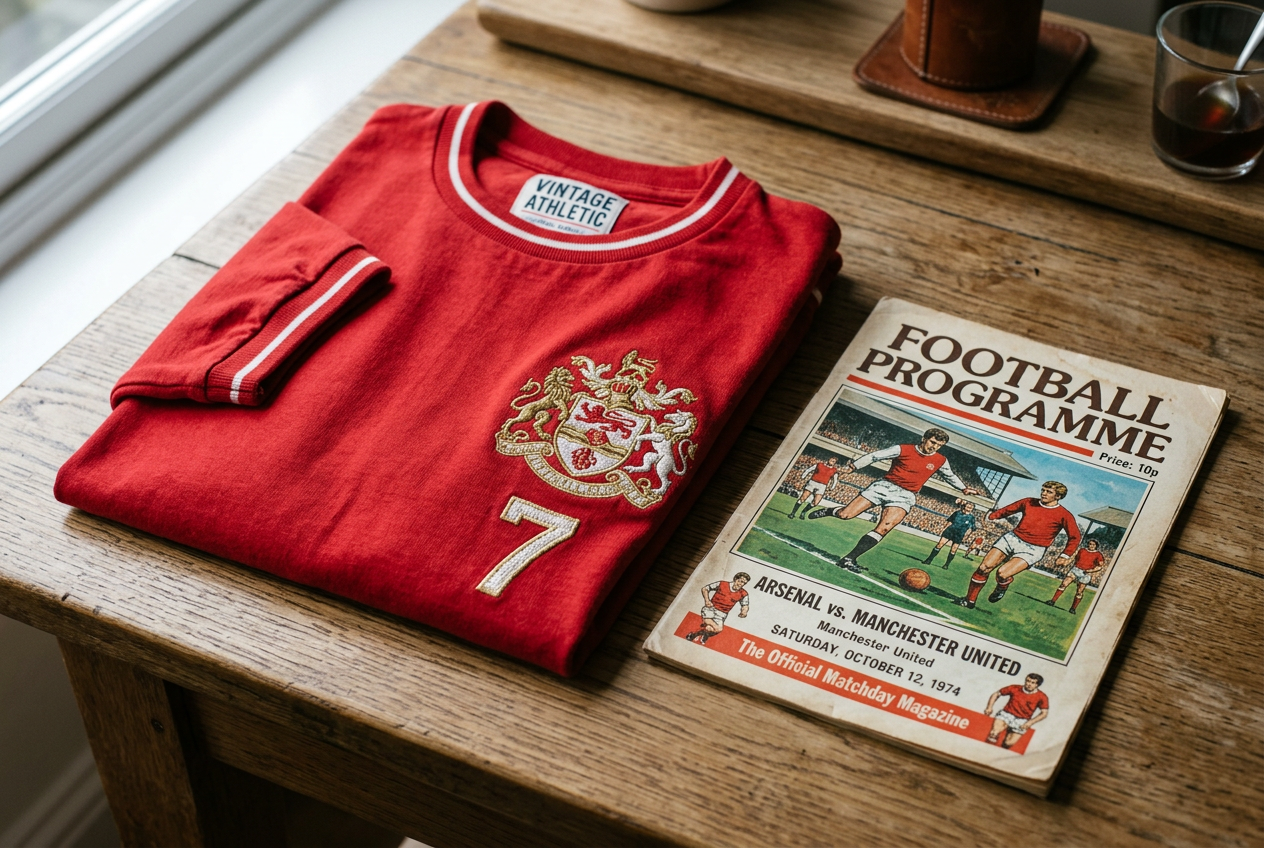
Inspect the embroidery and attachment of the Arsenal crest and kit manufacturer branding. Original crests from the classic eras will feature tight, neat embroidery or thick felt appliques without loose threads or blurred lettering. Cheap replicas often have misaligned cannon details, thin thread density, or distorted club mottos.
3. Sponsor Application
Arsenal kits have featured classic sponsors such as JVC, Sega, Dreamcast, and O2. Depending on the year, sponsors were either sublimated directly into the polyester fabric, heat-applied using felt flocking, or pressed in raised rubberised prints. Research the exact specification for the release year you are considering, as incorrect sponsor textures are a common sign of a replica.
Understanding Market Value and Rarity
The resale value of classic football shirts is shaped by a mix of historical significance, visual design, and physical condition. When browsing online marketplaces, several factors influence what a buyer should expect to pay:
- On-Pitch Moments: Shirts associated with title-winning campaigns, historic doubles, or unforgettable European nights naturally attract stronger demand.
- Player Printing: Authentic namesets featuring legendary club figures can increase appeal, provided the lettering and numbering match the official font and flocking of the era.
- Sleeve Length and Match Specs: Long-sleeve shirts were generally produced in smaller quantities than short-sleeve equivalents for general retail, making them scarcer.
- Physical Condition: The presence of fabric pulls, bobbles, sponsor cracking, or discoloured collar trims directly affects value. Unworn shirts with original tags represent the top of the price scale.
Styling and Caring for Your Retro Wardrobe
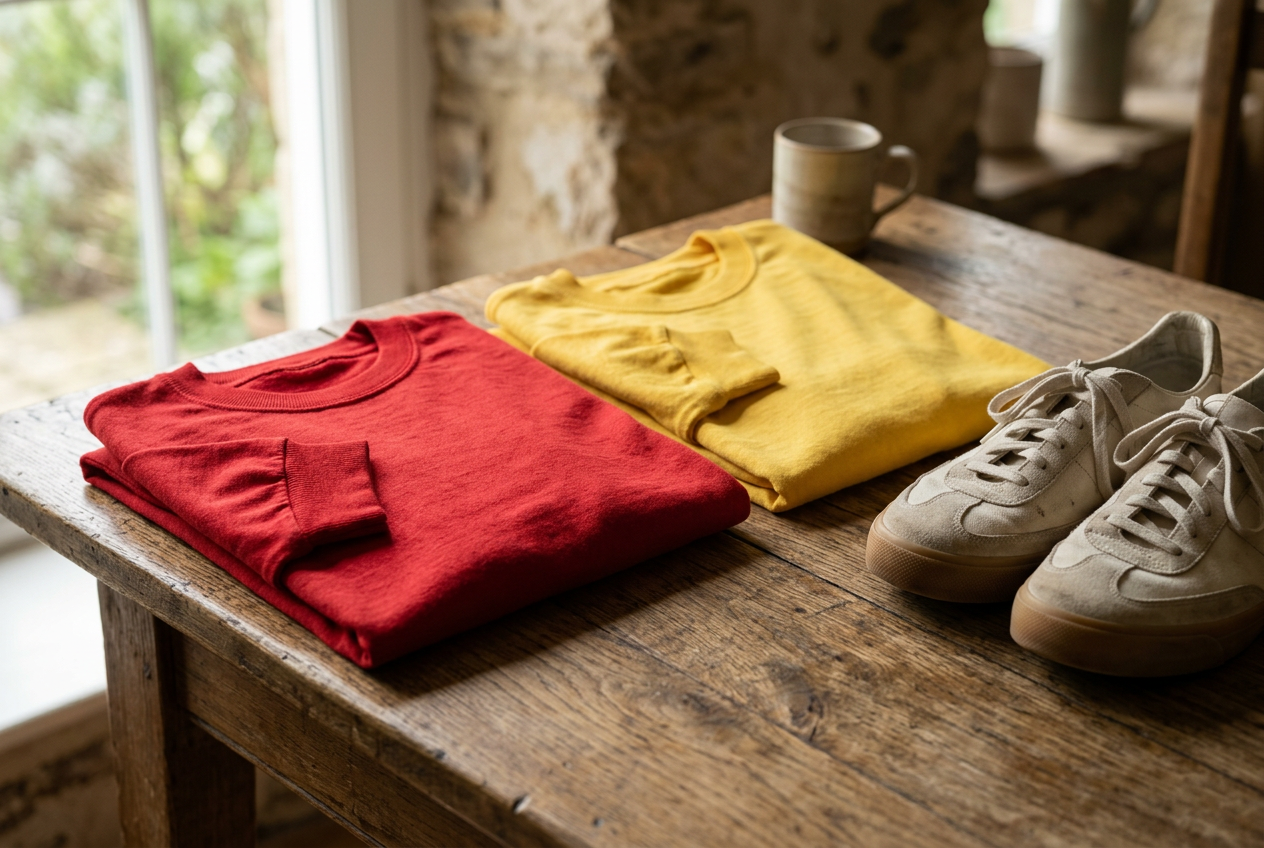
Vintage football kits have transitioned seamlessly from terraces into everyday streetwear. A retro home or away top pairs effortlessly with relaxed denim or clean footwear such as Men's Slip-Resistant Lightweight Casual Sneakers for a balanced weekend outfit. For layered transitional looks, collectors often contrast bright polyester shirts under open outerwear, or mix casual textures by layering over a Women's Lapel Three-quarter Sleeve Plaid Shirt alongside subtle accessories like a Retro Rice Grain Pearl Turtle Scallop Alloy Pendant Anklet.
Preserving the fabric requires proper maintenance. Never wash vintage polyester shirts at high temperatures or dry them in a tumble dryer, as heat will degrade flocking and melt heat-pressed sponsors. Hand washing or a cold, gentle machine cycle inside a mesh laundry bag is recommended to keep colours bright and prevent snags.
The Key Takeaway
Collecting authentic classic kits is a rewarding way to own a piece of football culture. By verifying wash tags, checking crest construction, and assessing fabric condition carefully before purchasing, you can curate a valuable and durable collection that stands the test of time.
Frequently asked
- How can I tell if a vintage Arsenal shirt is an original or a modern remake?
- Check the internal wash labels and manufacturer product codes, which correspond to specific production years. Original period shirts feature era-accurate sizing labels, distinct stitching, and correct sponsor textures compared to modern remakes.
- What causes vintage football shirt sponsors to peel or crack?
- Heat and mechanical friction during machine washing and tumble drying cause vinyl and rubberised sponsor prints to degrade. Washing vintage shirts inside-out in cold water and air drying helps prevent sponsor damage.
- Do long-sleeve vintage shirts hold more resale value than short-sleeve versions?
- Yes, long-sleeve versions are generally rarer because fewer were produced for retail release, making them particularly desirable to collectors when found in good condition.
Selling something similar?
Listing on BNS is free. Add photos, set your price and reach buyers looking for exactly this.