Vintage NHL Jerseys Buying Guide: Authenticity & Care
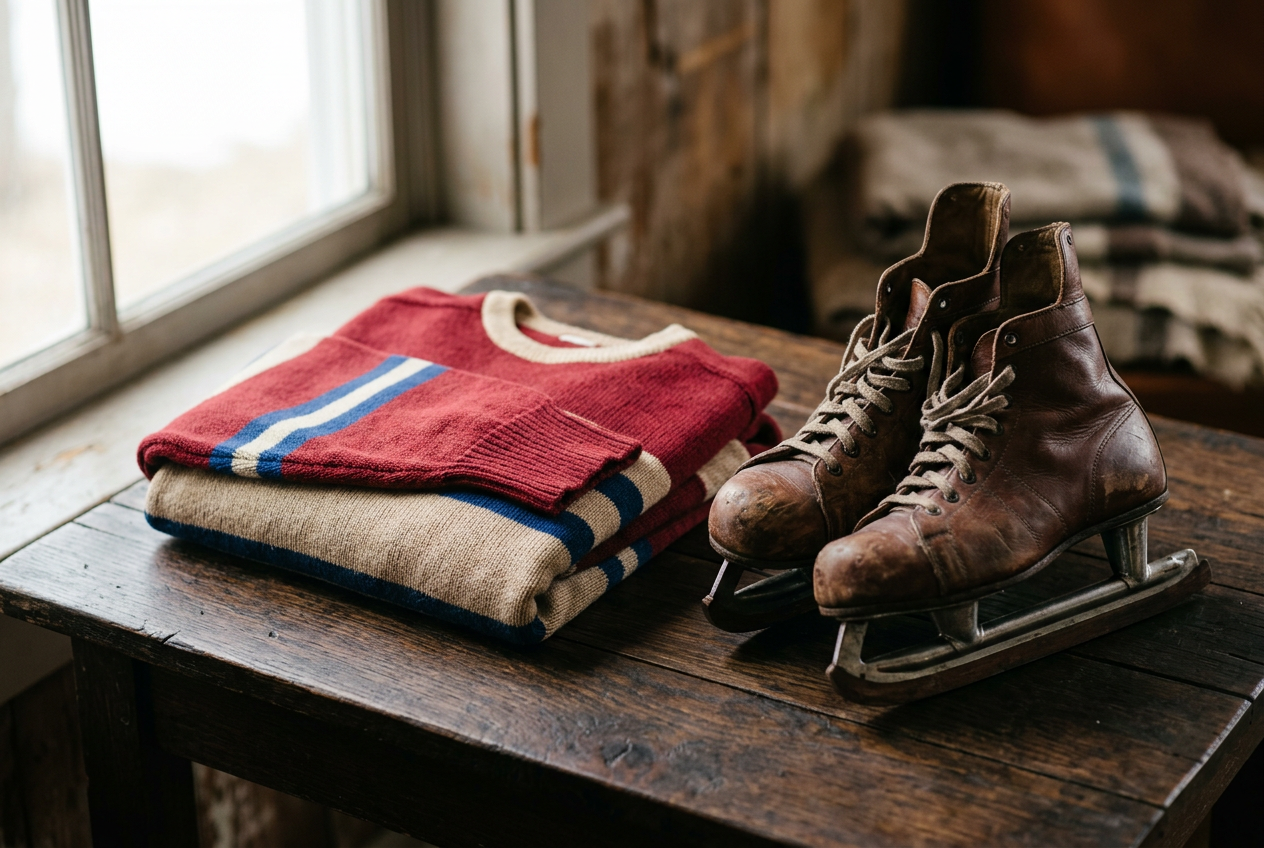
Collecting classic hockey sweaters has evolved from a niche hobby into a major segment of the sports memorabilia market. Whether you are searching for a nineties starter piece or an original sweater from the original six era, navigating the pre-owned market requires a sharp eye. This vintage nhl jerseys buying guide covers the essential steps for verifying authenticity, evaluating garment condition, and finding fair prices on second-hand marketplaces.
Vintage NHL Jerseys Buying Guide: Manufacturers and Eras
Understanding which brand produced jerseys during specific decades is the first step in assessing any piece. Over the decades, the official manufacturing rights for on-ice and retail hockey jerseys have shifted across several key apparel brands:
- CCM and Maska (1970s to 2000s): Known for heavy-duty knit fabrics, durable fight straps on authentic versions, and embroidered hem logos.
- Starter (1990s): Famous for bold colours, wide mesh panels, and the signature embroidered "S" star logo on the sleeve cuff and lower back hem.
- Pro Player (Late 1990s): Produced jerseys for a brief window, prized for high-quality crest embroidery and thick fabric construction.
- Koho and Jofa (Early 2000s): Handled home dark jerseys during a split-licensing era, featuring prominent shoulder and neck branding.
- Reebok (2007 to 2017): Introduced the Edge system with updated materials, modern cuts, and vector or wordmark neck tags.
Matching the brand tag on the collar to the design era of the team crest is critical. If a jersey features a logo that a team only adopted in 2003, but carries a manufacturer label from the early 1990s, the piece is likely a reproduction or counterfeit.
Authenticity Markers: Replicas versus On-Ice Authentics
In the vintage hockey market, garments generally fall into two broad production tiers: retail replicas and authentic on-ice specifications. Both types have strong collector followings, but their build quality and value vary substantially.
Retail replicas were designed for casual wear in the stands. They typically feature screen-printed or semi-rigid crests, single-layer stitched numbers, and standard sizing such as Medium, Large, or Extra Large. In contrast, authentic jerseys use numerical sizing (such as 48, 52, or 56), reinforced elbows, heavy air-knit polyester, and an interior fight strap sewn into the lower spine. When inspecting potential purchases, always examine the stitching behind the primary crest; authentic embroidery shows clean backing without loose connecting threads running between distinct letters or shapes.
Evaluating Condition and Common Flaws
Because vintage sportswear was often worn to games, outdoor rinks, and casual gatherings, signs of wear are common. When shopping for used items online, ask the seller for clear photographs of high-friction areas.
Check the neck collar and wrist cuffs for pilling, fraying, or discolouration. White or cream-coloured jerseys frequently show minor storage staining or rink grease marks around the hem. Examine the crest and player numbers for bubbling, creasing, or peeling edges. While minor fabric snags can be safely trimmed or resolved with a fabric shaver, heavy crest damage or split seams require specialised repairs that may affect the overall resale value.
Smart Shopping and Displaying Your Collection
Building a collection on secondary marketplaces is about patience and thorough research. Just as seasonal shoppers look for winter novelty clothing like the Women V Neck Knit Sweatshirt Christmas Gnome Print Long Sleeve Casual Top or fun event accessories like the Personalized Christmas Plush Airbag Hat, vintage jersey buyers must pay attention to fabric weight and season-specific details before completing an order.
Once acquired, proper storage ensures your sweaters maintain their condition. Hang jerseys on wide, contoured plastic or wooden hangers to prevent shoulder dimpling. Keep them out of direct sunlight to prevent colours from fading over time. Many collectors choose to display their favourite pieces on feature walls alongside ambient lighting, such as a Household Stylish Christmas Magic Wall Light, creating a dedicated sports display area at home.
Summary and Key Takeaways
Buying second-hand hockey jerseys offers a rewarding way to own sporting history without paying premium modern retail prices. Always verify the manufacturer tags against the correct team era, confirm whether the sizing uses letter or number grading, and inspect close-up photos of the crest embroidery. Taking time to inspect garment condition and wash vintage fabrics with gentle care will keep your collection in top shape for years to come.
Frequently asked
- How do I know if a vintage NHL jersey is authentic?
- Check the collar tagging against the era the team wore that style, verify that numbers and crests are cleanly stitched without jump stitches, and look for numerical sizing on pro-grade jerseys.
- What is the difference between replica and authentic hockey jerseys?
- Replicas use letter sizing and lighter materials designed for fan wear, while authentic jerseys feature numerical sizing, fight straps, reinforced fabric, and pro-weight crests.
- How should I wash a vintage hockey sweater?
- Wash the jersey inside out on a gentle cycle using cold water, avoid fabric softeners, and always hang it to air dry rather than using a tumble dryer.
Selling something similar?
Listing on BNS is free. Add photos, set your price and reach buyers looking for exactly this.