Smart Water Saving Garden Irrigation Systems for Yards
Caring for a lawn or productive vegetable patch during hot, dry spells can quickly become a demanding chore. Traditional overhead sprinklers often lose significant moisture to evaporation and wind drift before water ever reaches the root zone. Switching to dedicated water saving garden irrigation systems allows you to deliver moisture directly where plants need it most, preserving your landscape while reducing water waste.
Whether you manage a compact courtyard or an expansive suburban garden, selecting the right watering gear ensures resilient plant growth and responsible utility use. In this guide, we explore the essential tools, setup considerations, and practical outdoor gear needed to maintain a thriving garden in drier weather.
Understanding Low-Water Irrigation Options
Modern irrigation focuses on precision delivery rather than broad coverage. By choosing methods that apply water at ground level, you minimise surface evaporation and prevent fungal issues caused by wet foliage.
Drip Irrigation Kits
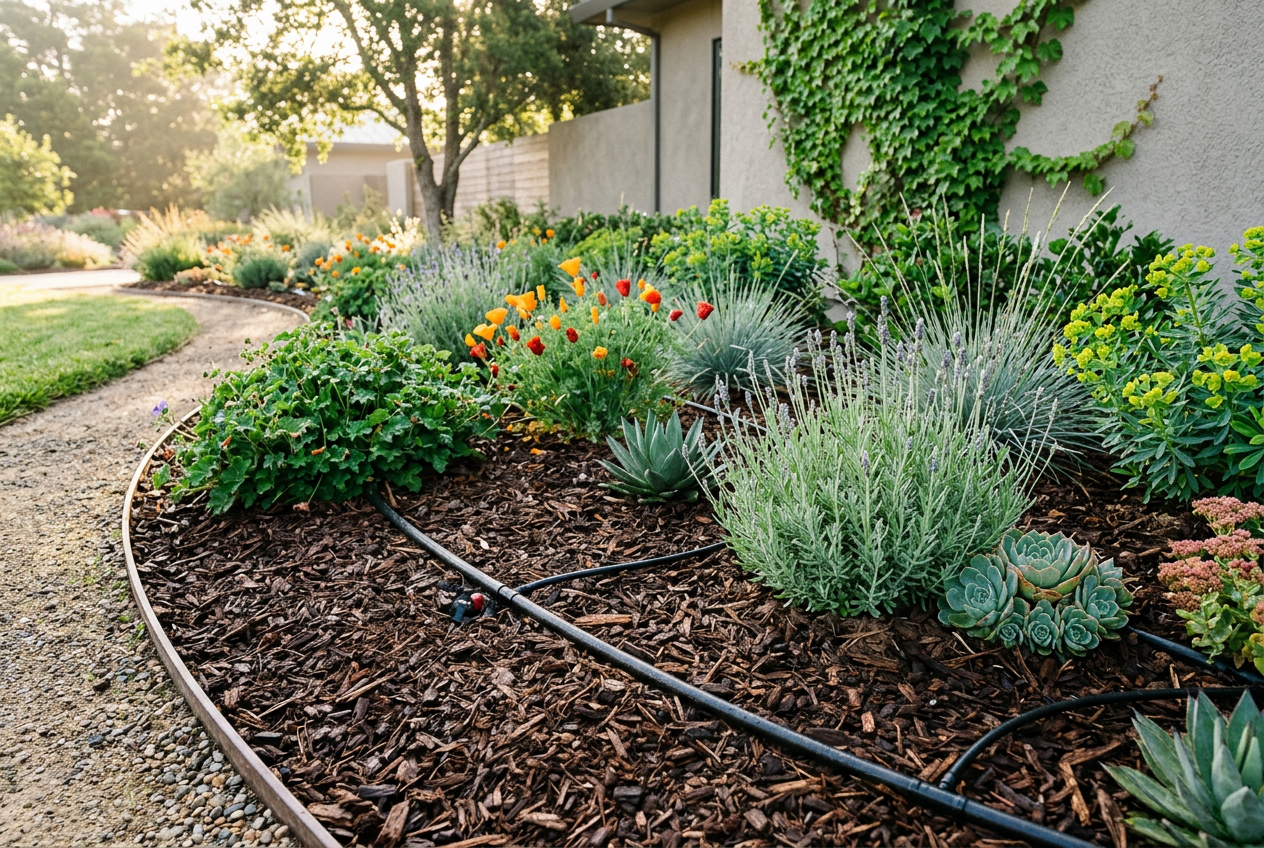
Drip systems use narrow tubing equipped with small emitters placed beside individual plants. Because water drips slowly into the soil, moisture penetrates deeply into root systems without causing soil compaction or runoff. Drip lines are especially beneficial for raised garden beds, shrub borders, and container plantings.
Soaker Hoses
Made from porous materials, soaker hoses weep water along their entire length. They can be laid along vegetable rows or wound through perennial beds. Covering soaker hoses with a layer of natural mulch shields the material from direct sun and keeps the underlying soil consistently cool and damp.
Micro-Sprayers and Bubblers
For ground cover or dense flowering borders where single drip emitters are impractical, micro-sprayers provide a low-volume, fine spray close to the earth. They operate at lower pressure than conventional oscillating sprinklers, keeping spray drift to a minimum.
Choosing the Right Water Saving Garden Irrigation Systems
Every outdoor space has distinct watering requirements based on sun exposure, soil structure, and plant species. When planning your setup, keep several practical factors in mind:
- Soil drainage: Heavy clay soil absorbs water slowly, requiring lower emitter flow rates to prevent pooling. Sandy soil drains rapidly, often performing best with more frequent, shorter watering sessions.
- Zone grouping: Group plants with similar hydration needs into dedicated hydrozones so drought-tolerant varieties are not overwatered alongside thirsty greens.
- Water pressure management: Most low-flow drip and soaker lines require a pressure regulator at the tap to prevent fittings from blowing apart under high domestic water pressure.
- Automation and timers: Adding an automated tap timer allows you to schedule watering cycles during the cool hours of early morning or late evening.
Equipping Yourself for Garden Upgrades
Installing or maintaining irrigation lines often means spending hours outdoors digging shallow trenches, laying pipework, and testing connections across the property. Having reliable attire makes garden work far more manageable.
When moving across damp soil or gravel paths while laying distribution hoses, sturdy footwear such as Men's Slip-Resistant Lightweight Casual Sneakers helps provide secure footing around the yard. For everyday comfort while pruning and adjusting ground emitters, breathable clothing like a Women's Lapel Three-quarter Sleeve Plaid Shirt offers practical sun protection and ease of movement.
Once your irrigation lines are buried or tucked under ground cover, you can enhance the visual appeal of your drought-tolerant landscape. Accentuate garden walkways and newly mulched beds with subtle outdoor accents, such as a Solar-Powered Agave-Shaped Yard Ground Light, which illuminates borders at night without extra wiring.
Practical Tips for Maximum Water Efficiency
Installing efficient hardware is only the first step. Combining good hardware with sound horticultural practices delivers the best long-term results for your garden.
Always apply a generous layer of organic mulch, such as bark chips or straw, over exposed earth. Mulch acts as an insulating blanket, dramatically reducing moisture evaporation from the soil surface. Inspect your lines periodically for clogged emitters or punctures, and flush out end caps before the start of the primary growing season to clear any accumulated sediment.
Summary and Next Steps
Upgrading to targeted watering tools protects your landscaping against harsh seasonal heat while keeping your environmental footprint in check. Explore the community marketplace on hellobns.com to browse available garden gear and home items, or visit the selling page to clear out unused tools and outdoor equipment. For more practical advice on sustainable living and household management, check out our latest articles on BNS Insights.
Frequently asked
- What is the most water-efficient garden irrigation method?
- Drip irrigation is widely considered the most efficient method because it delivers water directly to plant roots at soil level, minimising evaporation and wind loss.
- What time of day is best to run an irrigation system?
- Early morning is the ideal time to water because cooler temperatures and calmer air reduce evaporation, allowing moisture to soak deep into the soil before the heat of the day.
- Do drip irrigation systems require special water pressure?
- Yes, most drip and soaker systems operate best at low pressure, typically requiring an inexpensive pressure regulator attached to your outdoor tap to protect the tubing and fittings.
Selling something similar?
Listing on BNS is free. Add photos, set your price and reach buyers looking for exactly this.